

Starting a partial hospitalization program can feel overwhelming. You may not know what the building looks like inside, how the schedule works, or what people will ask you. That uncertainty is one of the hardest parts of seeking help.
This guide walks through what a typical first day at a mental health PHP program looks like. Knowing what to expect takes away some of the guesswork and lets you focus on what matters: getting the support you need.
What Is a PHP Program?
A partial hospitalization program is an intensive treatment that runs five to six hours per day, five days a week. You attend structured therapy during the day and go home each evening.
PHP sits between inpatient care and a standard intensive outpatient program on the continuum of care. It gives you daily access to therapists, psychiatrists, and peer support while still allowing you to sleep at home.
PHP is designed for people who need more help than weekly therapy provides but do not need 24-hour supervision. It is common for people stepping down from inpatient care, those in crisis who have a safe home setting, or anyone with symptoms that affect daily functioning.
Before You Arrive – Preparing for Day One
A little preparation goes a long way. Here is what most programs recommend before your first day.
Complete Your Intake Paperwork
Your admissions team will send paperwork before your start date. This usually includes medical history forms, insurance information, a list of current medications, and emergency contact details. Filling these out ahead of time keeps your first morning from feeling rushed.
Know What to Bring
Most PHP programs suggest bringing:
- A valid photo ID and your insurance card
- A list of medications with dosages
- A water bottle and any snacks you may need
- A notebook and pen for taking notes during sessions
- Comfortable clothes that you can sit in for several hours
Leave valuables and electronics at home unless your program says otherwise. Some programs limit phone use during sessions to keep the focus on treatment.
Plan Your Transportation
Figure out how you will get to and from the facility each day. PHP runs on a regular weekday schedule, so you will need reliable transportation five days a week. Some programs offer transit assistance or can connect you with resources if transportation is a barrier.
Manage Your Expectations
It is normal to feel anxious. Most people do. You do not need to have your thoughts organized or know exactly what you want to say. The clinical team is trained to meet you where you are. Your only job on day one is to show up.
What Happens When You Walk In
When you arrive at the facility, a staff member will greet you and walk you through the check-in process. This typically includes:
- Verifying your identity and insurance
- A brief orientation to the building (bathrooms, common areas, therapy rooms, exits)
- A review of program rules and the daily schedule
- A chance to ask questions
This part usually takes 30 to 45 minutes. The goal is to help you feel comfortable before programming starts.
Your Clinical Assessment
One of the most important parts of your first day is the clinical assessment. A licensed clinician will meet with you one-on-one to understand your current situation. They will ask about:
- Your symptoms and how long you have been experiencing them
- Your mental health history and any past treatment
- Your daily functioning, including sleep, appetite, concentration, and energy
- Your social supports and home environment
- Your goals for treatment
- Any safety concerns
This is not a test. There are no wrong answers. The assessment helps your care team develop a treatment plan tailored to your specific needs. Be as open as you can. The more your team knows, the better they can help.
If you are stepping down from inpatient care, your PHP team may already have clinical notes from your previous treatment. They will still want to hear things in your own words.
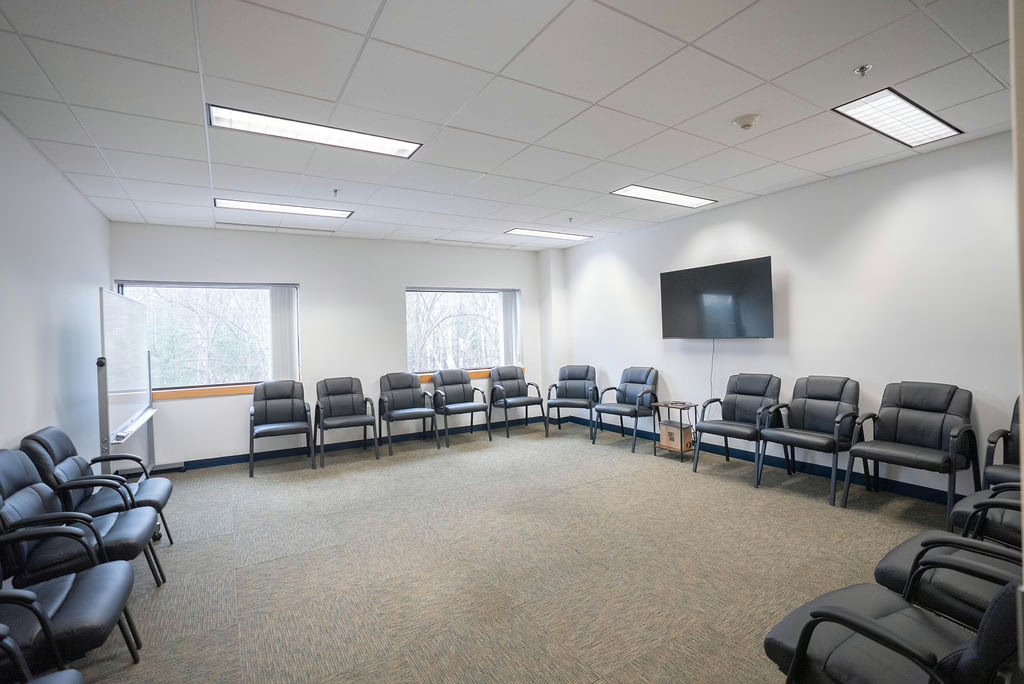
Your First Group Therapy Session
Group therapy is the core of most PHP programs. On your first day, you will likely join at least one group session. This is often the part people are most nervous about.
Here is what to know: groups are small, usually six to twelve people. Everyone in the room is there for a similar reason. You do not have to share anything you are not ready to share. A licensed therapist leads each session and maintains a safe space.
Common types of groups you might attend include:
- CBT skills groups: Learn how to notice and change unhelpful thought patterns
- DBT groups: Focused on emotional regulation and distress tolerance
- Psychoeducation sessions: Cover topics like understanding anxiety, managing depression, or building healthy boundaries
- Process groups: Members share their experiences and support each other
On your first day, most therapists will introduce you to the group and invite you to share as much or as little as you want. Many new participants choose to mostly listen on day one, and that is completely fine.
Meeting Your Treatment Team
During your first day or within the first few days, you will meet the people who make up your treatment team. This typically includes:
- Psychiatrist or psychiatric nurse practitioner: Manages your medication
- Primary therapist: Leads your individual therapy sessions
- Group therapy facilitators: Licensed therapists who lead daily group sessions
- Case manager: Helps with insurance, discharge planning, and connecting you to outside resources
Your treatment team works together to create and adjust your plan as you move through the program. They communicate regularly, ensuring consistent, coordinated care.
Understanding Your Daily Schedule
PHP programs follow a structured daily schedule. While the exact times vary by program, a typical day looks something like this:
| Time | Activity |
| 9:00 – 9:30 AM | Morning check-in: share how you are feeling, set an intention for the day |
| 9:30 – 11:00 AM | Group therapy session #1 (CBT, DBT, or process group) |
| 11:00 – 11:15 AM | Break |
| 11:15 AM – 12:30 PM | Group therapy session #2 or individual therapy appointment |
| 12:30 – 1:15 PM | Lunch |
| 1:15 – 2:30 PM | Psychoeducation workshop or skills group |
| 2:30 – 3:00 PM | Closing check-out: reflect on the day, set goals for the evening |
This structure gives your day a rhythm that many people find grounding, especially if your symptoms have made your daily routine feel chaotic.
Common First-Day Feelings
Nearly everyone feels some combination of these emotions on their first day:
- Nervousness about what the program will be like
- Relief at finally getting help
- Sadness or grief about needing this level of care
- Hope that things can get better
- Exhaustion from everything it took to get here
All of these feelings are valid. Your treatment team sees people on their first day every week. They understand what you are going through, and they will not rush you.
Tips for Making the Most of Day One
- Show up on time. Being late adds stress to an already stressful day.
- Bring a notebook. You will hear a lot of new information. Having a place to write things down helps.
- Be honest with your clinical team. You do not need to perform or downplay what you are going through.
- Ask questions. If something does not make sense, say so. The staff is there to help.
- Give yourself grace. You are doing a brave thing. One day at a time is enough.
What Happens After Day One
After your first day, you will settle into the regular PHP schedule. Most people say the second and third days feel noticeably easier as the routine becomes familiar.
Over the first week, your treatment team will finalize your individualized treatment plan based on your assessment and early observations. You will start building connections with other group members, learn new coping skills to practice at home each evening, and begin working toward the goals you set with your therapist.
Your team will check in with you regularly and adjust your plan as needed. Treatment is not static. It evolves as you do.
Getting Started at Rockland Recovery Behavioral Health North
At Rockland Recovery Behavioral Health North in Bedford, MA, our PHP program provides a supportive, structured environment where you can focus on getting better. We offer evidence-based treatment including CBT, DBT, and trauma-informed care delivered by a licensed clinical team.
We accept most major insurance plans, offer same-day admissions, and provide a free, confidential assessment to help you determine if PHP is the right level of care for you.